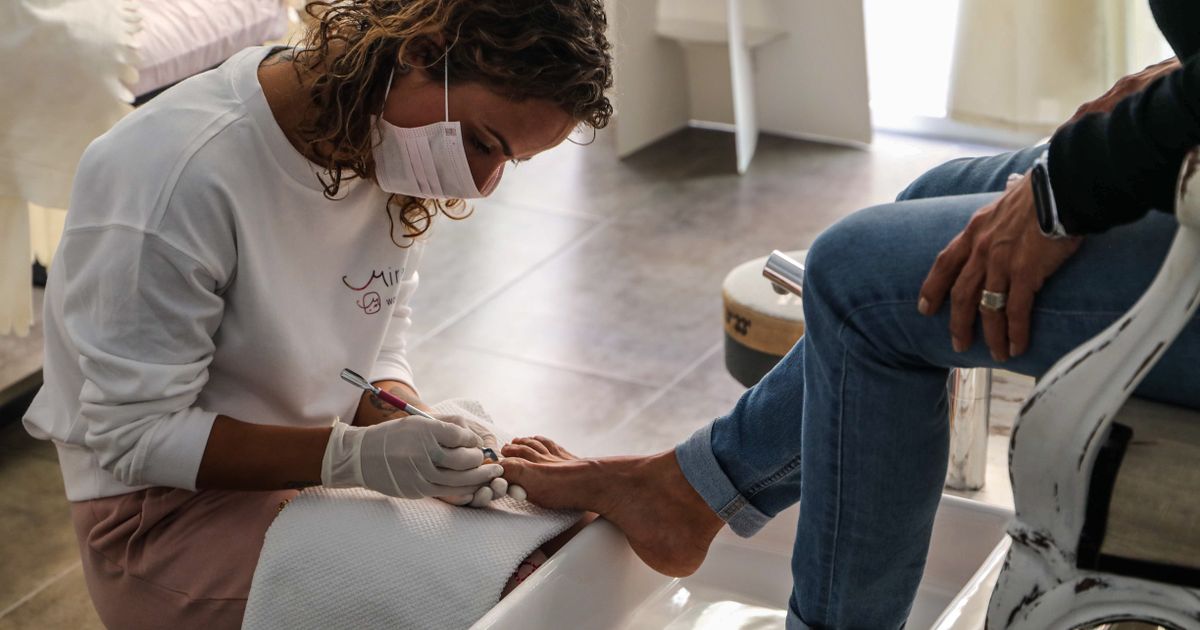
Coffin nails are one of the most requested shapes at Indian nail counters, and the request usually arrives the same way: a screenshot forwarded on WhatsApp, a wish for extra length, and a hope that someone is free on Saturday evening. This guide covers what the shape actually is, how it compares with almond and square alternatives, what to raise in a salon consultation, how to book a slot that does not run late, and how salons should price and schedule the work. Whether you are planning a wedding-season set or running the nail bar that has to deliver it, the rule is the same: agree on the shape, length, and price before the file touches the nail.
Key takeaways
- The shape needs length, so decide tip width and millimetres first.
- Slot time changes with material: gel sets and acrylic extensions are not equal.
- Ask for a written quote split into base price, length, and art charges.
- Book the fill at three to four weeks while the client is still at the counter.
What coffin nails are and why they keep trending
The shape is built on three decisions: how wide the free edge stays, how sharply the sidewalls taper, and where the flat tip begins. File the sides inward from the stress point and finish with a straight edge across the tip and you have the look everyone is asking for. A softer tip with a rounder finish becomes the ballerina variation, which is why the two names get swapped at the counter. Both start from the same filing steps, so coffin nails can end up looking quite different in two salons unless the client confirms the tip width and the length in millimetres.
It keeps trending because the shape photographs well and holds colour cleanly. A deep red, a chrome finish, or a French tip with a coloured line all read clearly on a tapered nail, which is why requests spike before festive weeks, engagement parties, and wedding functions. For a nail bar, that predictability is useful: you can see the demand coming, open longer slots on those days, and publish availability early instead of turning away clients who assumed the chair would be free.
Coffin nails at different lengths compared
Length decides everything else — durability, price, wear time, and whether the client can type. Most salons work in three bands:
- Short (up to the fingertip) — practical for office work, cooking, and handling a child. The taper is subtle, so the shape reads as a soft square. Usually a gel set on the natural nail, no tip extension.
- Medium (3 to 5 mm past the fingertip) — the balanced option. Enough taper to look deliberate, strong enough for daily use, and it suits most skin tones and polish colours.
- Long (6 mm and above) — the shape people mean when they send a reference photo. It needs acrylic or fibreglass support, a longer appointment, and a repair plan, because a single snag can lift a whole corner.
Compare that with almond, which ends in a rounded point and looks softer on short nails, and with a square set, which keeps full width across the tip and is stronger at the corners but shows chips sooner. If a client works long hours at a keyboard or drives a two-wheeler daily, medium length usually survives better than long, and saying so in the consultation avoids a disappointed return visit.
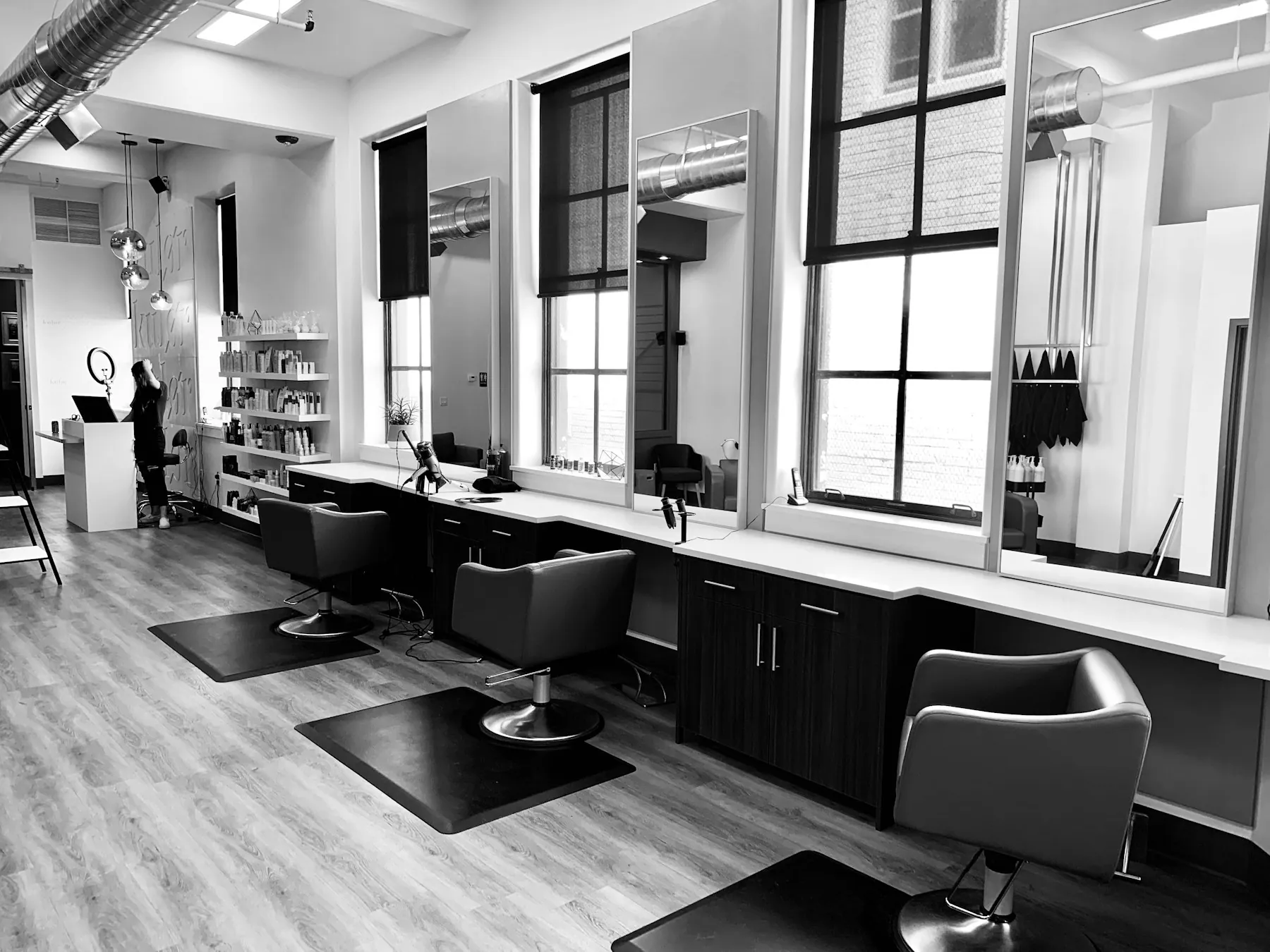
Booking a coffin nails appointment that runs on time
The appointment length follows the material, not the marketing name. A gel colour on natural nails is roughly half an hour to forty-five minutes. A full set of extensions with shaping takes ninety minutes to two hours, and hand-painted art or a chrome finish adds more. A fill is a separate booking again, usually forty-five minutes. When a salon quotes one flat duration for all three, either the shaping gets rushed or the next client waits.
Book with an exact time rather than an open invitation to drop in. Confirm the artist, the removal of the old set, and whether the art is included in the price. If the salon is busy on festive weekends, ask for the first slot of the day — the shaping is more consistent when the technician is fresh and the counter is still clean. Walk-ins still matter for a quick colour change, so the best-run nail bars run booked clients and walk-ins in one queue with a token instead of two competing lists. Our salon booking system guide shows how stylist-wise and chair-wise slots are published without overbooking the floor.
What to ask in your salon consultation
Ten minutes of questions at the start saves a week of regret later. Take a photo of the reference in daylight rather than under the salon's warm bulbs, then cover these points:
- Exact length in millimetres — "short" and "long" mean different things to different technicians. Measure against your own fingertip.
- Material — gel, acrylic, or fibreglass. Each behaves differently with heat, water, and daily wear.
- Apex and thickness — a set built too thin snaps at the stress point; one built too thick looks heavy and grows out oddly.
- Removal method — soaking or filing. Buffing a cured set off dry damages the natural nail surface, so ask what they use.
- Art and finish charges — whether the design in your photo is included or priced per nail.
- Fill and repair policy — what is covered free in the first week and what is charged.
Write the answers into the booking note. When the same brief is in the appointment record, a different technician on a busier day can still deliver the shape you agreed on.
Pricing, hygiene, and slot length at a nail bar
Owners lose trust on price the same way every time: a base price is displayed, and the final bill adds length, art, and removal. Publish the three parts separately — base service, length upcharge, art upcharge — so the client can total it before sitting down. That transparency is also what wins the local search: people comparing nail studios check the price list and the booking link before they check the ambience. Google's guidance on booking-link policies is a useful reference for what a listing's booking action should do.
Hygiene is the second trust signal. Files and buffers should come out of a sealed pack or go into a disinfectant bath in front of the client, cuticle nippers should be sterilised, and the technician should wash hands between appointments. Keep that promise visible in your listing: photographs of the sterilisation pouch, the cleaning routine, and the products used do more for bookings than a decorative wall. List your services, hours, and booking link on your business profile with the details a customer can verify — the schema.org LocalBusiness vocabulary describes the fields search engines expect for a local salon.
The commercial side matters too. A nail set that consumes a chair for two hours during the evening rush should be priced and slotted differently from a thirty-minute colour change. Set slot length per service, cap the number of long sets per evening, and keep two short slots open for repair work. Salons that publish salon appointment rules this way run fewer overruns; our appointment booking for salons playbook walks through setting durations, buffers, and reminders without guesswork.
Aftercare and rebooking for longer wear
The first day decides how long the set lasts. Advise clients to keep nails out of hot water for the initial hour, wear gloves for cleaning, and oil the cuticles each night so the product stays flexible instead of brittle. Any lifting corner should be reported early: a small lift repaired in two minutes becomes a lifted half-set after a week of catching on fabric.
Book the fill before the client leaves the chair. A reminder three days ahead, a confirmation with the exact time, and a reschedule link are enough to hold most appointments — clients miss fills because they forget, not because they refuse. For the salon, that rebooking habit is worth more than any single walk-in, because it converts a one-time festive visit into a standing slot.
Conclusion: agree on the shape, then book the slot
Coffin nails reward preparation from both sides. The client gets a better result by fixing the length, the material, and the price in writing before the appointment, and the salon gets a calmer floor by publishing real slot durations, separating its charges, and taking hygiene seriously in plain sight. Agree on the shape in the consultation, book the exact slot instead of a vague evening, and schedule the fill on the spot. If you run a nail bar and want the booking, the token queue, and the reminders in one place, see queue management and appointment booking software from SWIQ or book a free demo and we will map your chair capacity with you. That is the practical side of coffin nails: a clear brief, an honest time slot, and a set that still looks right at the fill.
Practical next step: add the three charges (base, length, art) and the real duration of each nail service to your listing and booking page this week, then test booking a slot from your own phone.
Related SWIQ pages: Queue management software India · Book a free demo · nail salon booking software · nails near me
Frequently asked questions
How long do coffin nails last before they need a fill?
A well-applied acrylic or gel set usually needs a fill every three to four weeks. Lifting, a broken tip, or a sharp edge means you should book a repair earlier instead of waiting for the scheduled date.
What is the difference between coffin nails and ballerina nails?
Both shapes taper from the sidewalls toward the tip. Coffin nails end in a flat, squared-off edge, while ballerina nails are usually finished with a softer, rounded blunt tip. Many salons use the two names for the same request, so confirm the shape with a photo.
How much do coffin nails cost at an Indian salon?
Cost depends on length, material, art work, and the city you visit. Natural-nail gel sets cost less than long acrylic extensions with hand-painted art. Ask for a written quote that separates the base price, the length upcharge, and the art charge before the service starts.
Can I book coffin nails online instead of walking in?
Yes, if the salon publishes real availability for its nail chairs. An online slot with an exact time, a confirmation, and a reminder protects you from arriving to a fully occupied counter. SWIQ gives salons provider-controlled slots, walk-in tokens, and reminders in one system.
See SWIQ in action
Explore provider-controlled availability, QR booking, live tokens, delay tracking, staff access, and enterprise dashboards.
Book a free demo