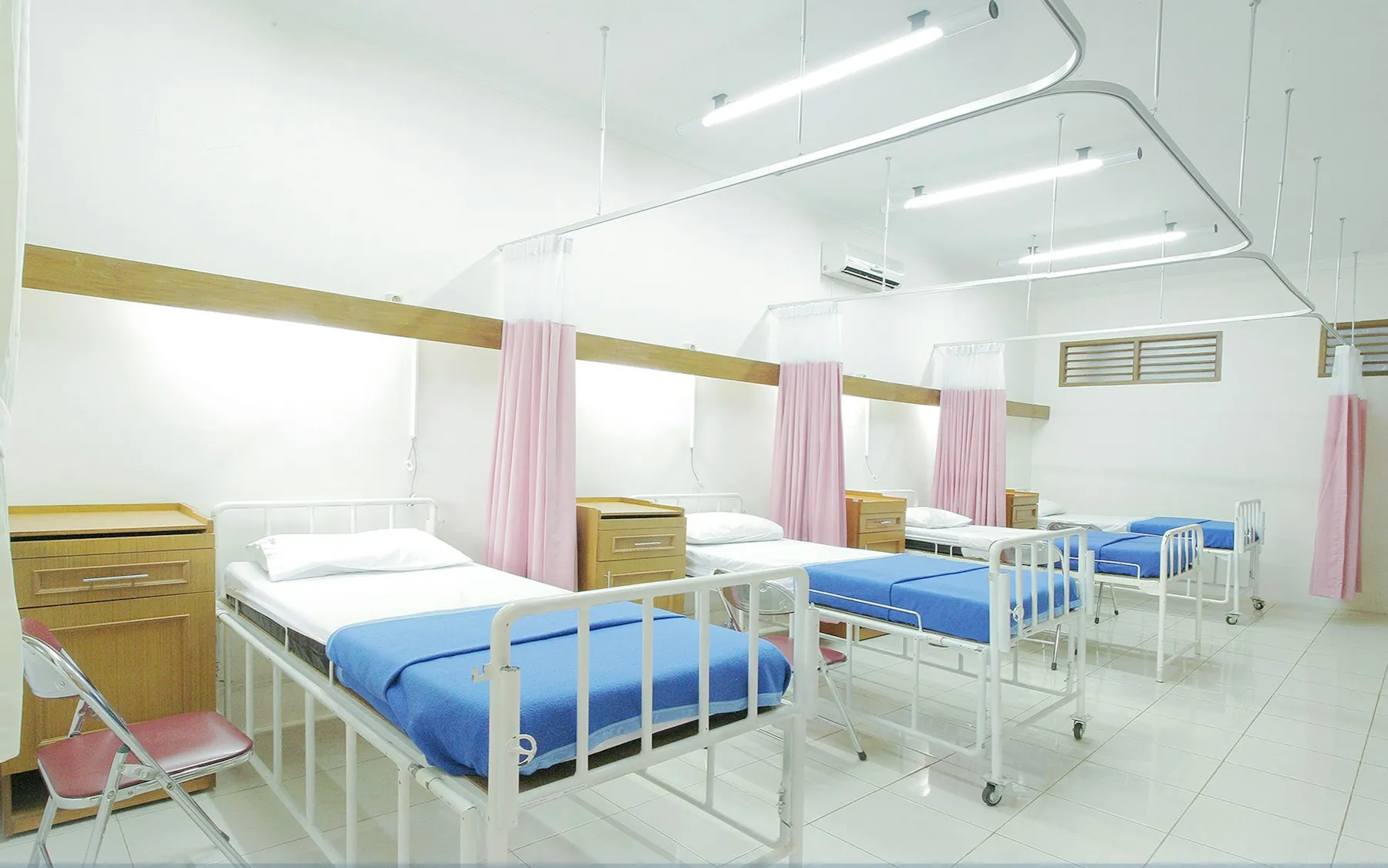
An eye center is where most Indians end up when vision changes, a school form needs a certificate, or an elderly parent stops reading the newspaper. The choice between the centre two streets away and the bigger name across town is rarely about clinical reputation alone. It is about who is seeing patients today, which tests happen in the building, what the visit costs in total, and how long you will sit on a plastic chair. This guide gives you one scoring method for local eye centers, plus the operating details that separate a smooth visit from a wasted morning.
Key takeaways
- Compare in-house services, doctor timings at your branch, and total visit cost.
- Ask which tests run in the building and which are sent outside.
- Book ahead when you need a specific doctor or drops that blur vision for hours.
- Operators win by publishing real slots and running booked patients and walk-ins in one queue.
What an eye center includes
Most eye centers are outpatient businesses first. A typical one has a refraction room, a vision chart wall or chart projector, a slit lamp, a tonometer for pressure checks, a direct ophthalmoscope, a waiting area, and a spectacles dispensing counter. Larger centres add an OCT machine, a field vision tester, a fundus camera, a minor procedure room, and sometimes a day-care theatre. Some run a dedicated corner for children, and a few attach a contact lens fitting service.
The useful distinction for a patient is not the size of the lobby. It is which of these steps happen under one roof. Refraction, pressure, drops, and the doctor's examination in one visit means one trip. Sending a scan to an outside lab means a second appointment, a second waiting room, and a delayed report. National background on how eye services are organised in India is available through the National Health Portal of India and the Ministry of Health and Family Welfare, which are the right places to read how public programmes describe screening and referral.
From a business view, an eye center is also a scheduling problem. Consultations are short, tests are fixed-duration, drops take effect on a clock, and spectacles collection brings people back a week later. That mix only works if the front desk controls the flow instead of reacting to it.
How people compare an eye center before booking
In practice, patients compare using whatever is visible in ten seconds. Put yourself on the other side of that screen and ask what your listing, website, and phone line reveal:
- Doctor timings at your branch — not the group's senior doctor, the one sitting in your area today.
- Distance and parking — often decisive for elderly patients and parents with school children.
- Rating and recency — six reviews from last month beat sixty from three years ago.
- Waiting time — the single detail mentioned most often in eye clinic reviews.
- Total visit cost — consultation plus tests plus drops, stated before the visit rather than at the counter.
- Booking method — an open slot list, a WhatsApp confirmation, or only a phone that nobody answers.
Google publishes how those Business Profile entries are shown in Search and Maps, and the guidance on Business Profile information makes the same point from the business side: complete, consistent details win the tap. A clinic that lists two different phone numbers on its website and its map pin is paying for that confusion every day.
The second comparison happens after the first visit. People ask each other three questions: how long did you wait, did they explain the report, and what did it finally cost? Those answers travel further than any advertisement, which is why an eye center that runs on time grows from word of mouth alone.
Services and equipment worth checking
Use this checklist when you shortlist. It separates a full-service centre from a refraction shop with a good signboard.
- Refraction and vision testing — done by a trained optometrist or the doctor, with the method explained to you.
- Eye pressure and front-of-eye examination — slit lamp examination available in the same visit.
- Dilated retinal check — available on site, with a note that vision stays blurred for a few hours.
- Scans and imaging — machine present in the building, calibrated and serviced on a schedule you can ask about.
- Children's services — a separate area, shorter slots, and staff used to restless patients.
- Procedure and day-care support — resuscitation equipment, sterilisation protocol, and a clear referral route when a case is beyond the centre.
- Records — old prescriptions and scans retrievable by patient name, so a returning patient is not re-tested from scratch.
Ask one blunt question: which of these tests do you do here, and which go outside? An honest answer saves you a second trip. Equipment that sits idle because nobody services it is a common quiet failure in smaller centres, and it is visible to patients as a machine behind a locked door.

Appointments, wait times, and booking channels
Eye OPDs have predictable pressure points. Saturday mornings fill with school and office crowds, dilation drops stack patients in the waiting area at the same hour, and spectacles collection lands in the evening rush. An eye center that knows this can shape its day; one that does not will simply be slow.
From the patient side, choose the channel that matches your need. Phone works when you need to ask a question, and fails when three people call at 10 am. Online slots work when you want an exact time and a confirmation you can show at the counter. WhatsApp suits rescheduling. Walk-ins suit a quick refraction at an off-peak hour, and rarely suit a dilated examination on a Saturday.
Three questions make the booking predictable: what time should I reach, how long will I be here, and do I need someone with me if my eyes are dilated? A centre that answers all three at the time of booking gets fewer phone calls and fewer angry reviews. Operators can go further by publishing a waitlist for cancelled slots, which is exactly what waitlist management for clinics is built to do — released slots go to the next patient automatically.
Track one number every week: booked patients seen within fifteen minutes of their slot. It tells you whether your schedule is real or decorative, and it is the metric patients feel even if they never see it.
Reports, spectacles, and follow-up costs
The visit rarely ends at the consulting room. There is a prescription slip, possibly a scan report, a bill, a spectacles quote, and a follow-up date. Each handover is a place where patients either gain confidence or start comparing your centre with the one nearby.
Ask four things before you leave. What is the total cost of today's visit, and what is not included? When and how do I get the report — printed, on WhatsApp, or on a patient portal? Which items on the spectacles quote are optional? And exactly when is the follow-up, with what should I bring?
For the operator, the same four questions are a script for the counter. Written pricing kills the argument at billing time. Reports delivered the same day remove the phone calls that tie up the receptionist. A follow-up date captured in the system, with a reminder attached, converts an open loop into a returning patient — the same discipline covered in appointment booking for clinics.
If you are comparing centres on price, compare complete visits rather than consultation fees. A cheaper consultation followed by two outside tests often costs more in money and a full working day than a centre that does everything in one sitting.
How a busy eye center keeps patients on time
The clinics that patients describe as well organised share a few unglamorous habits. Availability is entered by staff for approved dates only, not generated automatically months ahead. Slots are sized by activity: a first visit with dilated examination takes longer than a spectacles check. Breaks and staff leave are blocked before patients can book them.
Then comes the queue. Booked patients check in with a reference or a QR scan, walk-ins take a token from the same system, and both appear on one running list. A display shows the current token and an honest delay, so the family of an elderly patient stops asking the receptionist every four minutes. Reminders go out the evening before, and a cancellation frees the slot to the next person on the list.
Reporting closes the loop. Attended visits, no-shows, average delay, and remaining capacity per doctor are reviewed weekly by someone who can change the schedule. Multi-branch groups need the same numbers rolled up by location, which is why hospital patient scheduling software matters when several departments share one front desk. For a single location, the setup in clinic booking system is usually enough to start.
None of this requires a large budget. It requires one person who owns the schedule and refuses to publish a slot the centre cannot honour.
Conclusion: shortlist your eye center with confidence
Put two or three local centres on one page and fill six rows: doctor timings at your branch, tests available in the building, total cost of a complete visit, typical waiting time, how you book, and how you get the report. The centre that fills all six without hesitating is the one to start with, and a bad answer on any row is information rather than an insult. Operators should run the same scorecard on themselves once a quarter, because patients are already doing it. If your eye center publishes real slots, runs booked patients and walk-ins through one queue, and shows an honest delay, the comparison most people run in ten seconds ends in your favour. See how that works with queue management and appointment booking software from SWIQ, or book a free demo and we will walk through your own OPD flow with you.
Practical next step: this week, call your own eye center as a stranger — ask for today's doctor timings, the total visit cost, and the next available slot — and time how long a correct answer takes.
Related SWIQ pages: Queue management software India · Book a free demo · appointment booking for clinics · appointment booking checklist for clinics
Frequently asked questions
What is the difference between an eye center and an eye hospital?
An eye center usually handles outpatient work: vision testing, screening, refraction, follow-ups, and spectacles. An eye hospital adds operating theatres, inpatient beds, and emergency services. For a routine check, an eye center is often the faster and cheaper option.
How do I compare two eye centers in my area?
Write both names on one page and compare six rows: doctor timings at your branch, services available in house, equipment maintained on site, total fee for the visit, waiting time on a normal day, and how you book. The clinic that answers all six clearly is usually the better pick.
When should I book rather than walk in?
Book when you need a specific doctor, a specific time, or a test that needs preparation such as dilating drops that blur vision for a few hours. Walking in works for a simple refraction at an off-peak hour, but weekend mornings are the busiest time at most eye OPDs.
How long does an eye checkup take?
A straightforward outpatient visit often takes 45 to 90 minutes including tests, and longer if the doctor dilates the pupils. Ask the eye center how long to keep free and whether someone can accompany you if drops are used.
How does SWIQ help an eye center manage patient flow?
SWIQ provides a fast mobile booking page with real availability, QR check-in, live tokens, delay updates, reminders, and staff accounts, so booked patients and walk-ins move through one queue instead of two competing lists.
See SWIQ in action
Explore provider-controlled availability, QR booking, live tokens, delay tracking, staff access, and enterprise dashboards.
Book a free demo