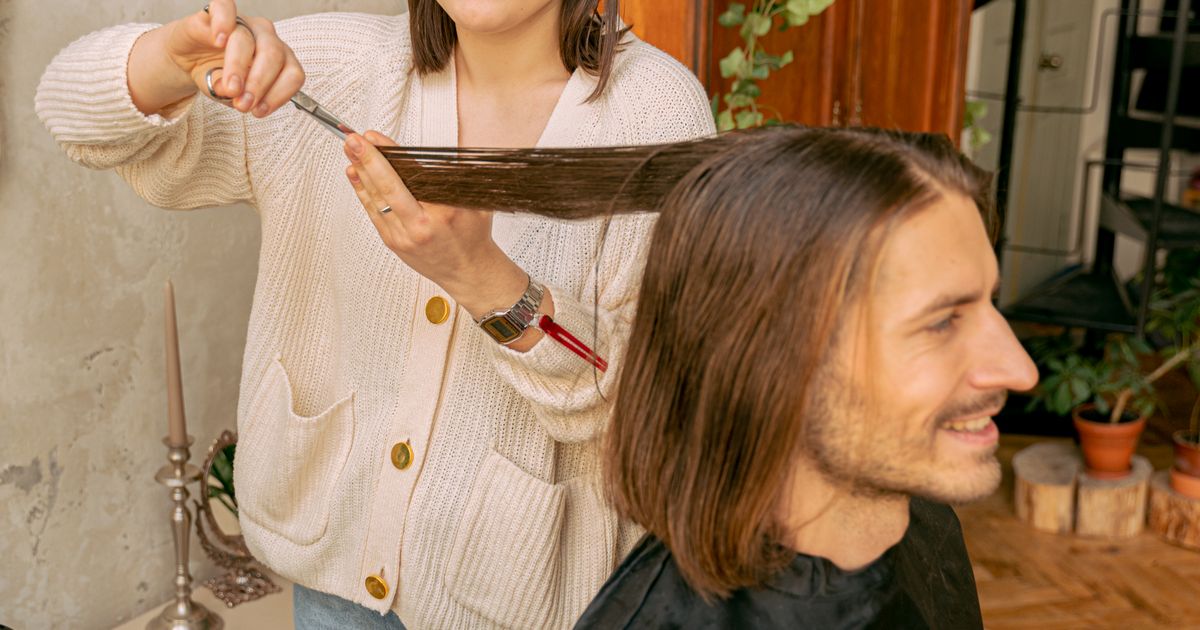
Hair and beauty appointments are increasingly booked as a single visit rather than two separate trips: a cut and colour in the chair, then threading, a facial, or a manicure before the client goes home. For the customer it saves an afternoon; for the salon it doubles the value of one slot. This guide compares how combo appointments are put together — what belongs in a package, how the time is scheduled when two specialists are involved, how the pricing should be structured, and how the booking flow communicates all of it — plus the mistakes that turn a combined service into an unhappy client.
Key takeaways
- Price the package as a whole and show what each part is worth.
- Book one extended slot, never two overlapping ones.
- Stagger specialists so nobody waits half the appointment.
- Confirm the sequence and the total time in the reminder message.
What a hair and beauty booking covers
A combined appointment joins services that naturally share a visit. The common pairings are a cut with a blow-dry, colour with a repair treatment, and a haircut with threading, a facial, waxing, or a manicure. Wedding and festive packages go further: a hair spa with a facial and a simple makeup trial, booked for one morning so the client is not travelling across town three times in a week.
The booking itself has to describe the sequence. A client who sees "hair and beauty package, two hours" does not know whether the facial comes before or after the colour, whether the wash is included, or who will perform each step. The good versions list the stages in order, name the specialists, mark anything optional, and give the total duration. That detail is what lets the salon plan the floor instead of improvising when the client arrives.
Why salons bundle two services in one visit
Bundling solves a scheduling problem and a selling problem at the same time. Scheduling: an idle hour between two bookings costs the same as a busy one, and a long combined service fills it. Selling: a customer who has already committed to ninety minutes in the chair is far more likely to add a treatment than one who is deciding at the counter with their coat on.
For the customer the incentive is time. Two separate visits mean two journeys, two waits, and two evenings. One combined slot means a single trip, one bill, and a predictable finish time — which is exactly what people want before a function or a festival week. A customer booking a hair and beauty visit in one go can plan the whole evening around a single finish time, and salons that communicate that benefit in plain language sell more packages than salons that simply post a discount percentage.
How combo bookings are scheduled
Scheduling a combo starts with total duration, not with the marketing name. Add the longest service first — colour usually sets the pace — then the second service, plus a buffer for washing, mixing, and cleanup. If both services are performed by the same person, one continuous slot works. If a beautician takes over for the facial, the two should be staggered so neither specialist is standing idle or arriving to a client who is still under a steamer.
Three practical rules keep the day intact:
- One slot, one client, one chair. Do not place a second booking into the same chair because the first one is "probably" shorter.
- Buffers at the joins. Ten minutes between stages absorbs a facial that runs over without pushing the evening queue.
- Peak hours get shorter packages. Save the three-hour bridal block for weekday mornings when the floor is quiet.
Walk-ins still arrive, so the same system should hold both: booked packages on the calendar, walk-in tokens in the queue, and a live delay display so nobody stands guessing. Our salon booking system guide covers how stylist-wise slots and walk-in tokens coexist without double-booking a chair.
Designing hair and beauty packages that pay
A package should be priced as a whole and explained in parts. Show the price of each service, the combined price, and the saving — even when the saving is modest. Hidden totals are the fastest way to generate a complaint at billing time, and a client who feels the price changed mid-visit rarely rebooks. Add-on tiers work well: the base package, a premium version with a treatment, and a festive version with makeup trial.
Design the durations as carefully as the prices. A ninety-minute base slot, a two-hour colour slot, and a three-hour festive slot give the booking page something honest to publish. Keep the menu short — three packages beat eleven combinations that nobody can remember. A hair and beauty customer reading three clear options decides in a minute; the same customer facing eleven codes calls the counter instead. And write the inclusions in sentences, not codes: "cut, wash, blow-dry, and a basic facial" tells a first-time client more than "H+B Combo 2".

Staffing two skill sets in one appointment
Combo bookings expose rota problems quickly. The hair stylist finishes the cut at 4:40 pm, the beautician is with another client until 5:10, and the package stalls for half an hour. Fix it with a published rota: whoever performs the second service should be marked free for the exact window the package occupies, and the receptionist should be able to see that before confirming.
Assign ownership too. One person is responsible for the client through the whole sequence, even when the hands change — they greet, they hand over, they close. Without that, the client explains the brief twice and the two specialists give conflicting advice about aftercare. Staff accounts with different permissions keep the record accurate: the stylist sees the hair notes, the beautician sees the beauty notes, and the owner sees the whole appointment.
The system behind a combo booking
Behind a smooth combined visit is a small set of configuration decisions. Service durations are set per service rather than globally. Staff are assigned per service. Availability is opened only for hours that are actually staffed. The customer picks one extended slot, sees the total price, and receives a confirmation that names every stage — which is what makes a hair and beauty booking survive a change of stylist mid-visit. Reminders go out before the visit with the same sequence, and a reschedule link moves the whole package rather than half of it.
Add the counter side: a walk-in who arrives without a booking receives a token and enters the same queue, so the reception never runs two lists. Reports show which packages completed on time, which ran over, and how much revenue each chair produced in the week. Businesses that publish these details consistently also give search engines structured information to work with — the schema.org LocalBusiness type describes the local business fields, and Google's guidance on booking-link policies covers what a booking link should do.
Combo booking mistakes to avoid
The recurring errors are predictable. Booking two overlapping slots for one client and hoping the first service finishes early. Selling a package whose second stage has no staffed specialist. Quoting the total without showing what is included. Sending a reminder that says only "appointment confirmed" so the client turns up expecting a facial and finds a haircut. And overloading festive weekends with three-hour packages when the floor has four chairs and six walk-ins.
The fix is boring and effective: publish durations, confirm the sequence, stagger the specialists, and review the overruns weekly. Salons that add reminders and clear cancellation rules on top of that see fewer empty chairs; our notes on appointment booking for salons cover reminder timing and no-show handling in detail.
Conclusion: one visit, one clear slot
Combined packages work when the customer can see exactly what happens, in what order, for how long, and at what price — and when the salon has the rota and the calendar to deliver it. Book one extended slot, stagger the specialists, show the split of charges, and confirm the whole sequence in the reminder. That is what turns hair and beauty from two transactions into one visit people repeat. If you run a salon and want the packages, the slots, the tokens, and the reminders in one place, look at queue management and appointment booking software from SWIQ or book a free demo and we will build your first combo package with you.
Practical next step: pick your most requested pairing, write its stages in order with durations and a total price, and publish it as a single bookable slot this week.
Related SWIQ pages: Queue management software India · Book a free demo · salon appointment app · salon booking system
Frequently asked questions
What is included in a hair and beauty combo booking?
A combo booking joins two or more services into one visit: a cut with a blow-dry, colour with a treatment, or a haircut with threading, a facial, or a manicure. The booking should list every included step, the total duration, and the price of each part if one is optional.
How long does a combined hair and beauty appointment take?
Most combinations run between ninety minutes and three hours depending on whether colour or a treatment is involved. The booking page should show one slot covering the full sequence rather than separate times that overlap when one service runs long.
Do combo packages cost less than booking services separately?
Usually the package price is a little lower than the sum of the parts, because the salon saves setup time and fills a longer chair. Compare what is actually included: a package that silently drops the treatment or uses a smaller product dose is not cheaper.
How does a salon schedule two services in one slot?
It assigns one client to a staff member or a chair for a fixed duration, adds a buffer for overrun, and staggers the second service when a different specialist performs it. SWIQ lets salons set per-service durations, assign staff, and confirm the whole sequence with one reminder.
See SWIQ in action
Explore provider-controlled availability, QR booking, live tokens, delay tracking, staff access, and enterprise dashboards.
Book a free demo