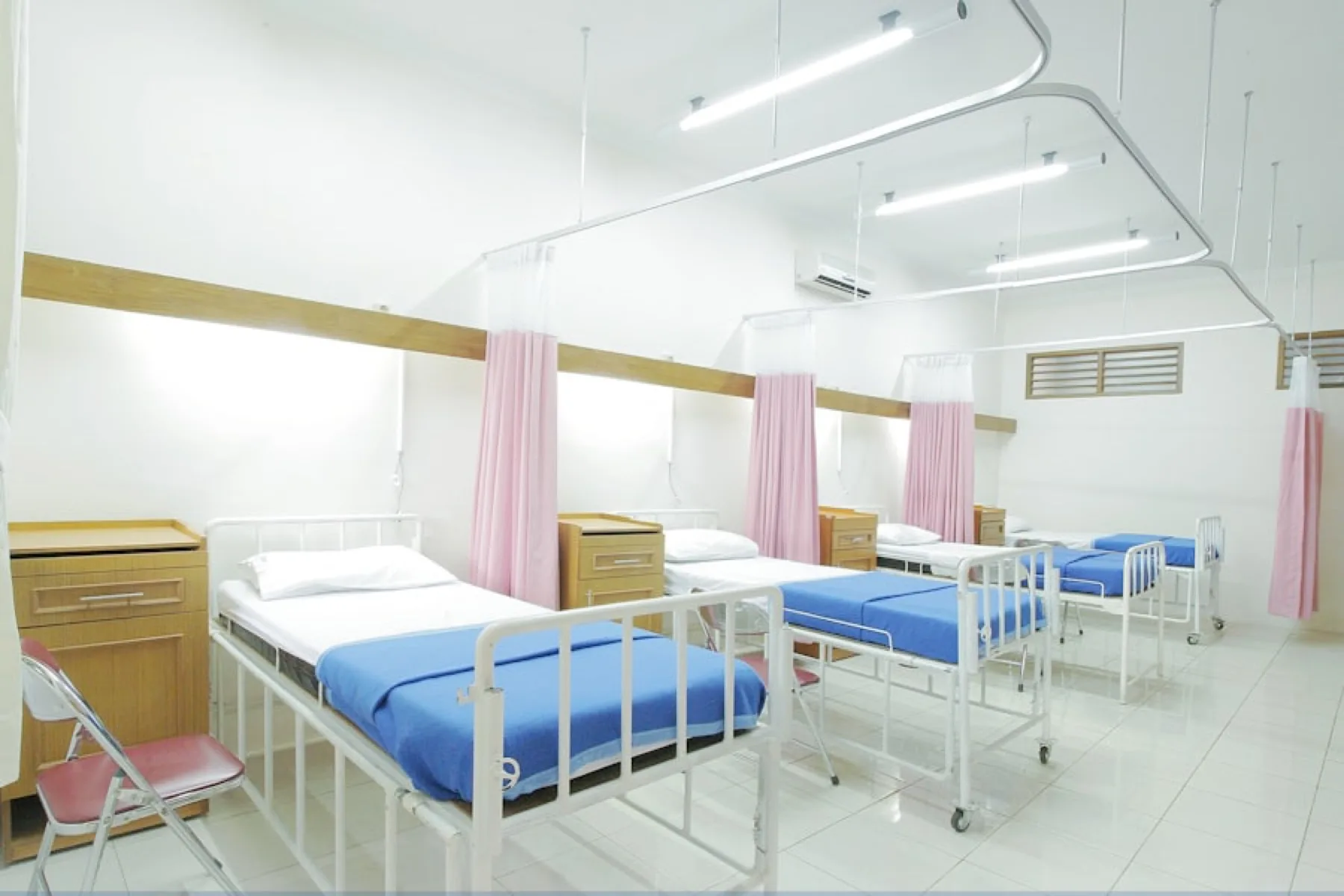
The query medical care near me is one of the broadest searches a patient can type, because it can mean anything from booking a routine consultation to finding a lab with home collection or checking whether a clinic is open right now. That breadth is exactly why local results decide it: patients pick from the first few cards, not from page two. For a clinic, polyclinic or diagnostic centre, showing up there — and looking dependable once you do — is the whole game. This guide covers how patients actually use that search, what to verify before travelling, and how the better operators convert a tap into a confirmed visit.
Key takeaways
- Decide what you need first — consultation, test, therapy or repeat prescription — then compare.
- Verify timings for today, the last token time, fees and whether tests are in-house.
- Bookings and walk-ins must live in one queue with an honest, visible wait.
- Publish only the availability a facility can genuinely serve, every single day.
What a medical care near me search is really asking
Behind the words sits a simple question: where can I be seen today, close by, without wasting a trip? The searcher has already accepted that they need professional help. What they want next is proximity, open status, evidence that other people go there, and a way in that does not involve calling three times during a busy morning. Distance and hours do the heavy lifting, but trust signals — recent reviews, clear service lists, a real booking link — break the tie between two equally close options.
The breadth of the query also creates a mix on the results screen. Single-doctor clinics, polyclinics, hospital outpatient departments, diagnostic labs and physiotherapy centres all compete for the same phrase, and the patient has to work out which one matches what they need. Facilities that state their services plainly win that sorting step. A listing that says "clinic" with no services listed makes the patient open the website and guess; a listing that says which consultations, tests and timings are available lets them decide on the spot. A medical care near me search should be answerable from the card itself, without a phone call.
Match the need to the right type of facility
Local options sort into a few practical categories, and each has a different reason to be chosen:
- Single-doctor clinic. Closest, usually fastest to get into, best for continuity with one practitioner. Check the doctor's session and the last token time before leaving home.
- Polyclinic or multi-doctor facility. Several specialities under one roof and longer hours. Check which doctor sits on which day, and how patients are routed between them.
- Hospital outpatient department. Diagnostics, records and specialist opinions in one building. Check the registration counter timings, token system and peak hours.
- Diagnostic laboratory. Reports, sample collection, home collection slots. Check turnaround time, whether processing is in-house, and how reports are delivered.
- Therapy and rehabilitation centre. Scheduled sessions with fixed durations. Check session length, how rescheduling works, and whether the calendar is published.
The right choice depends on what you need this week, not on which card appeared first. Patients should compare on availability and scope; businesses should make sure their scope is written where the comparison happens. Our medical clinic near me guide goes deeper on how patients shortlist individual clinics once the field is narrowed.
What to verify before you travel
Five minutes of checking prevents a wasted trip. Work down this list for every shortlisted place:
- Address and pin. The map pin, the written address and the entrance photograph should agree. Ask for a landmark if the location sits inside a large complex.
- Hours for today, including the lunch break, Sunday timing and holiday exceptions — updated before the festival, not after complaints arrive.
- Session and last token time. Registration often closes well before the clinic does, and that detail is rarely on the profile.
- Fee and payment. Consultation range, follow-up charges, whether cards or UPI are accepted, and whether a receipt is issued.
- Phone and booking link. A number picked up during staffed hours, and a link that opens real availability rather than a contact form.
Official sources are worth a cross-check when two places make similar claims. The National Health Portal of India shows how official facility information is normally described, and the national portal of India carries government facility directories by state — useful when you want the official version of what a place offers rather than the marketed one. Google's guidance on how Business Profiles appear in Search and Maps explains why consistent name, category and hours are the signals that make a listing trustworthy in the first place.
Services, fees and timings that decide the visit
Once the field is down to three places, the differences are operational. Which services are actually performed in-house and which are referred out? Is the fee schedule written anywhere, or only quoted on the phone? Does the facility consult in the language the patient is comfortable in? Are evening sessions available for people who cannot take leave? Is there a separate registration queue for appointments and another for walk-ins — or one queue that handles both honestly?
Timings deserve special scepticism, because they are the field most often left stale. A board that says 10 am to 7 pm tells you nothing about when the doctor actually arrives or when registration stops. Look for a session-wise schedule and recent reviews that mention waiting time, because both change month to month. Consistency across channels matters just as much: the signboard, the Google profile, the directory listing and the website footer should all say the same thing, in the same spelling, with the same phone number.
From search to a booked visit in under a minute
Ranking earns the tap; the booking page earns the visit, and a medical care near me query has to finish somewhere — a confirmed slot or the next clinic's number. The standard patients now expect is short: open the link on a phone, see this week's dates, pick an exact slot, enter a name and a number, and get a confirmation with a booking reference. No app install, no account, no waiting for a callback. If that flow takes more than a minute, a share of patients drop out and dial the next facility on the list instead.
Capacity honesty matters more than feature count. Availability published must be availability that can be served: six slots honoured in full beat forty slots published and a ninety-minute delay by 11 am. Late running is what produces one-star reviews, and one-star reviews are what remove a facility from the local pack for months. Set slot length by consultation type, block breaks properly, cap daily bookings, and let staff close a date the moment a doctor runs behind.
Reminders complete the loop — a confirmation on booking, a message the evening before, and a short note when the facility is running late. Those three messages cut no-shows and walk-aways more reliably than any incentive. Our clinic booking system setup checklist walks through each setting for a small single-doctor setup.
One queue for bookings and walk-ins
Indian facilities rarely run on appointments alone. Walk-ins arrive through the door all morning — repeat prescriptions, dressing changes, a report to collect, a family member sent across the street. When appointments live in a diary and walk-ins live on a paper token stack, the front desk ends up apologising to everyone: booked patients are overtaken, walk-ins are told an optimistic wait, and the room fills with people who were promised a short visit.
The fix is one queue with two entry points. A booked patient checks in with a tap or a QR scan; a walk-in takes a token from the same system and joins the same live list. The practitioner sees one running order, the display shows one token at a time, and every patient sees an honest delay instead of a vague "please wait". Multi-doctor facilities add routing, so a walk-in lands with whoever is genuinely free. That workflow — check-in, delay tracking, handover between doctors — is set out in our appointment booking for clinics guide.
Mistakes local facilities make with near me traffic
Most lost traffic is lost to basics. Hours that differ from reality. A phone that rings out during consultation sessions. A booking link that opens a form nobody monitors. Reviews unanswered for a year. Photos of a waiting room that no longer matches the room patients walk into. Any one of these pushes a patient to the next result without a second thought. Someone who typed medical care near me once and hit a stale board rarely tries a second time.
Operational errors cost as much. Opening availability months ahead, so patients book dates nobody has approved. Confirming bookings from memory while three people handle the phone. Counting a cancelled appointment as used capacity, which quietly blocks a slot nobody will fill. Promising a ten-minute wait to everyone and then failing for everyone. And measuring nothing: if nobody counts how many searches become calls, and how many calls become visits, there is no way to tell which step is leaking.
Conclusion: turn local search into visits
Local demand is decided in a narrow window — a map pack, a few cards, one tap — and the facilities that win it are the ones that look operationally sound. Match the patient's need to the right type of facility, publish today's real hours, sessions and last token time, state services and fees plainly, keep every channel consistent, and give patients a booking path they can finish on a phone in under a minute. Then run bookings and walk-ins through one queue so the wait is honest when they arrive. That is the whole playbook behind a medical care near me search turning into a real visit. See how it works end to end with queue management and appointment booking software from SWIQ, or book a free demo and we will map your front desk together.
Practical next step: call your own facility as a stranger would — during session hours — and note how long it takes to get a real slot; then fix whatever you heard.
Related SWIQ pages: Queue management software India · Book a free demo · clinic booking system · appointment booking for clinics
Frequently asked questions
What should I check in a medical care near me result?
Check the address against the map pin, today's hours including the lunch break, the doctor or service timings, the consultation fee, whether tests are done in-house, a phone number that is answered, and a booking link that opens real availability.
How do I pick the right type of local facility?
Start from what you need today: a consultation, a test, therapy sessions, repeat prescriptions or day-care support. Then compare the places that clearly offer that service, checking timings, wait time and total cost rather than distance alone.
Why do some listings show times that are wrong?
Hours, sessions and holiday exceptions change seasonally and are rarely updated across every directory at once. Confirm the session and the last token time directly before travelling, and treat a profile with no recent reviews as an unmaintained one.
How does SWIQ help a local facility get booked?
SWIQ gives a facility a fast mobile booking page with real availability, QR check-in, live tokens, honest delay updates and reminders, so a local search ends in a confirmed appointment instead of an unanswered call.
See SWIQ in action
Explore provider-controlled availability, QR booking, live tokens, delay tracking, staff access, and enterprise dashboards.
Book a free demo