
A skin specialist near me search is one of the highest-intent queries an Indian clinic can win. The person typing it already wants a dermatologist or a cosmetology consultation; they are not researching careers in medicine. They want the nearest clinic that looks credible, shows an open slot this week, and states the consultation fee before they travel. For a small skin practice, that single line of search decides whether today's empty chairs fill up or whether patients walk to the clinic two streets away instead. This guide explains what those searchers expect and how a local clinic meets them without breaking its own day.
Key takeaways
- Local patients choose the clinic that looks open, close and clear about fees.
- Publish only the appointments your dermatologist can genuinely honour.
- Run booked patients and walk-ins through one visible queue with an honest delay.
- Keep name, address, hours and booking link identical on every listing.
What a skin specialist near me search means
The phrase signals a decision that is close to finished. Skin problems are not emergencies for most people, so anyone who has reached the point of typing this query has already decided to see a professional — the only remaining question is which one, and how soon. Distance, same-week availability and trust signals do the deciding. Everything else on the search results page, from the long article about acne types to the equipment brochure, arrives after the shortlist is made.
That changes what a clinic should put first. A landing page that opens with twenty years of experience loses to a page that opens with today's timings, the fee, and a booking button. Mobile behaviour makes this sharper: the query is usually typed on a phone, often in the evening, and the patient will give up on a listing that has no hours or a phone number that nobody answers. Treat the phrase as a service promise — nearby, available, transparent — rather than as a keyword to repeat.
Who is searching for a skin specialist near me
Three groups arrive behind the same words and they behave differently. The first is the problem-solver: acne, pigmentation, hair fall, a rash that has not settled, or a mole they want examined. They want the earliest slot and a clinic that clearly handles their concern, so service names on the listing matter more than brand poetry.
The second is the parent or adult booking on someone else's behalf. They care about timings that fit a working day, a fee paid up front, and step-free entry. The third is the follow-up patient, finishing a treatment course and needing the next appointment before leaving the room. All three punish the same failures: unclear hours, no visible slots, and a receptionist who says "come tomorrow and we will see". Our appointment booking for clinics guide covers the check-in workflow that handles this mix.
How patients choose between local skin clinics
When four clinics appear in a two-kilometre radius, patients compare a short list of practical facts. In order, they usually check: distance and travel time, whether the clinic is open today or tomorrow, the stated consultation fee, recent review ratings, and photographs that show a clean, staffed reception. Procedure price lists come next, then parking and accessibility.
Most of that information is under the clinic's control, yet it is often spread across three places that disagree with each other — the website, the listing, and the WhatsApp reply. A clinic that says 10 am to 8 pm on one page and 11 am to 6 pm on another loses patients quietly, because nobody calls to point out the mistake; they simply book the clinic that looks consistent. Write the facts once, keep them identical everywhere, and let the booking link do the talking. A short Google guide to finding and checking your business listing shows exactly which fields patients see before they ever reach your site.
Publishing honest availability for dermatology visits
Skin clinics fail at booking in two opposite ways. Some publish nothing, so every enquiry becomes a phone call that rings out during consultations. Others publish everything — weeks of open slots nobody has approved — and then cancel by message when the dermatologist is actually in theatre or on leave.
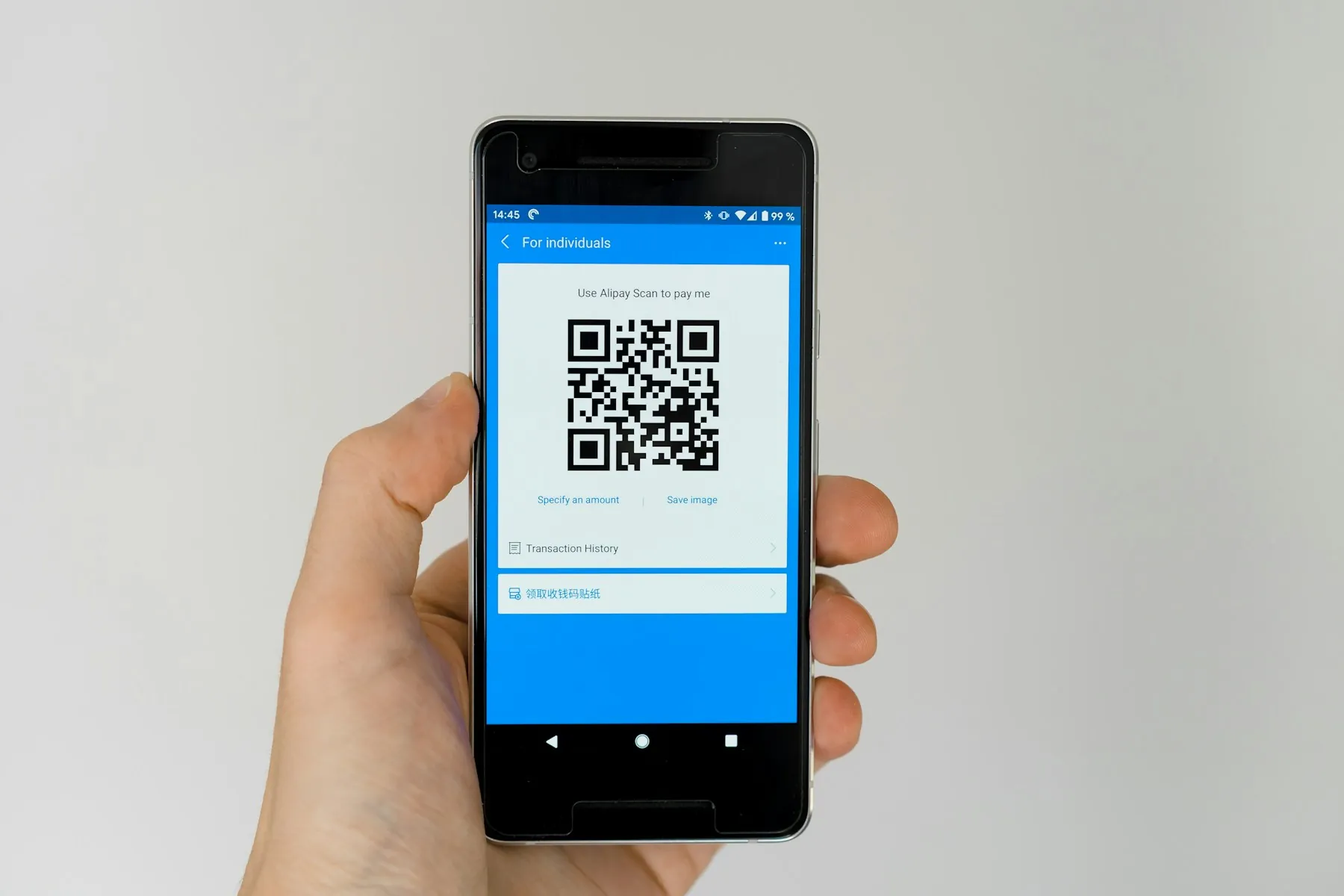
The workable model is hand-controlled availability. Decide each morning how many appointments today can absorb: perhaps eight fifteen-minute consultations plus two procedure slots with a buffer. Open only those, close them the moment they fill, and let staff add capacity only when the doctor is genuinely free. Consultation length should reflect real behaviour — a first visit with a procedure discussion takes longer than a review, and treating them as the same slot is how a clinic ends up forty minutes behind by lunch. Follow-up appointments should be booked before the patient leaves the room, which is easier when the system that issued the token books the next visit too.
Confirmation and reminders finish the job: send the slot, fee and address immediately, remind the patient the day before, and message when the clinic is running late. A patient who knows about a delay arrives at the right time instead of filling the waiting room early.
The queue problem at a busy skin clinic
Skin clinics have an unusual queue: booked consultations, patients arriving for procedures, walk-ins who want a quick opinion, and aesthetic clients whose treatments run long. When these four groups stand in one line with no shared order, reception spends the day refereeing instead of checking patients in.
The fix is one queue with several entry points. A booked patient checks in with a reference or by scanning a QR code at the door; a walk-in takes a token from the same system; both land in a single running order that the doctor and the waiting-room screen can see. Add rules everyone understands — procedures hold their slot, urgent cases can be moved up by staff, and a late arrival loses their place rather than silently blocking it. Then display the current token and a delay estimate calculated from real consultation times, not from a hopeful "10 minutes" that stays on screen for an hour.
Clinics that make this change usually notice the same pattern: counter arguments drop first, then late arrivals, then no-shows, because a patient who can see the queue plans the visit instead of guessing. Our clinic booking system setup checklist walks through the same configuration step by step.
Listings, reviews and the local discovery loop
Local search rewards consistency more than cleverness. Keep the clinic name, address and phone number identical across the website, listing, directories and social profiles; even a small difference in the address line can split a clinic's presence into two half-populated records. Publish real photographs of the consultation room and reception, list each service by the name patients actually type, and state the consultation fee or a clear range so nobody arrives with the wrong expectation.
Reviews are the second half of the loop. Ask every treated patient for a rating at the moment they are satisfied — at checkout, or through a follow-up message with a direct link — and reply to complaints with a specific, non-defensive note offering a way to resolve the visit. Booking links on third-party surfaces have to follow the platform's rules; Google's business links policies explain what a booking link may and may not do, and reading them once saves a listing from a silent rejection later. Public health facility information published on india.gov.in's health and wellness section is a useful benchmark for the level of factual detail patients are used to seeing.
What a skin clinic should measure weekly
Five numbers are enough to run a skin clinic by evidence instead of memory: booking-link views, appointments created, attended versus cancelled, walk-ins turned into bookings, and average waiting time from check-in to consultation. Read them every Monday for a month and the pattern of the practice becomes obvious — which day overflows, which slot type overruns, and how often the phone is doing work the booking page should be doing.
Waiting time matters most, because it is the number patients compare when they write a review. If the average drifts past twenty-five minutes, the answer is usually slot length, not more staff.
Common mistakes skin clinics make
The recurring errors are predictable. Hours listed for a schedule the clinic stopped following six months ago. Procedure prices hidden until the patient is in the room. Automatic availability opened months ahead, then cancelled in bulk. All reception staff sharing one login, so nobody can tell who moved an appointment. A token slip restarted every time the power blips. And a listing description full of treatment keywords that never mention where the clinic is.
There is also a measurement mistake: never checking how many local searches become visits. If the clinic cannot see arrivals by source, it cannot tell whether the new listing photos helped or whether Sunday's empty day was caused by the closed booking link. Track the numbers for eight weeks before changing anything else.
Conclusion: be the clinic that books itself
Winning a skin specialist near me search is not a marketing project; it is an operations project with a search result attached. Publish today's real timings, today's real slots and the real fee in one consistent place, give patients a booking link they can finish on a phone in under a minute, run appointments and walk-ins through one honest queue, and review five numbers every week. Do that and the clinic becomes the easy choice for everyone within a few kilometres — not because it shouts the loudest, but because it is the one that looks open and stays on time. See how queue management and appointment booking software from SWIQ handles this daily routine, or book a free demo and we will walk through a real skin clinic day with your team.
Practical next step: open your listing, your website and your WhatsApp reply side by side, and make the address, hours and fee identical in all three — then check that the booking link opens a slot a patient can actually take.
Related SWIQ pages: Queue management software India · Book a free demo · clinic booking system · appointment booking for clinics
Frequently asked questions
What should a clinic do to appear for a skin specialist near me search?
Keep one consistent clinic name, address and phone number everywhere, list your real services and today's timings, publish a working booking link, and ask every treated patient for a review. Accurate listing details plus bookable availability win more local searches than a long advertising budget.
How many appointments should a skin clinic publish per day?
Publish only the number your dermatologist can genuinely finish, including a buffer for procedures that run long. Start with a conservative block, watch the real consultation time for two weeks, and add slots only when the data shows spare capacity.
How do skin clinics reduce waiting room crowding?
Run booked patients and walk-ins through one queue, show the current token and an honest delay estimate, send a reminder before the visit, and give patients the option to check in by QR from outside the room. Visible queue status removes most of the crowding complaints.
Can SWIQ help a skin clinic with bookings and queues?
Yes. SWIQ gives skin clinics provider-controlled availability, exact slot booking, QR check-in, walk-in tokens, live delay tracking, reminders, staff accounts and reports on attendance and waiting time, all in one system for single or multi-location practices.
See SWIQ in action
Explore provider-controlled availability, QR booking, live tokens, delay tracking, staff access, and enterprise dashboards.
Book a free demo