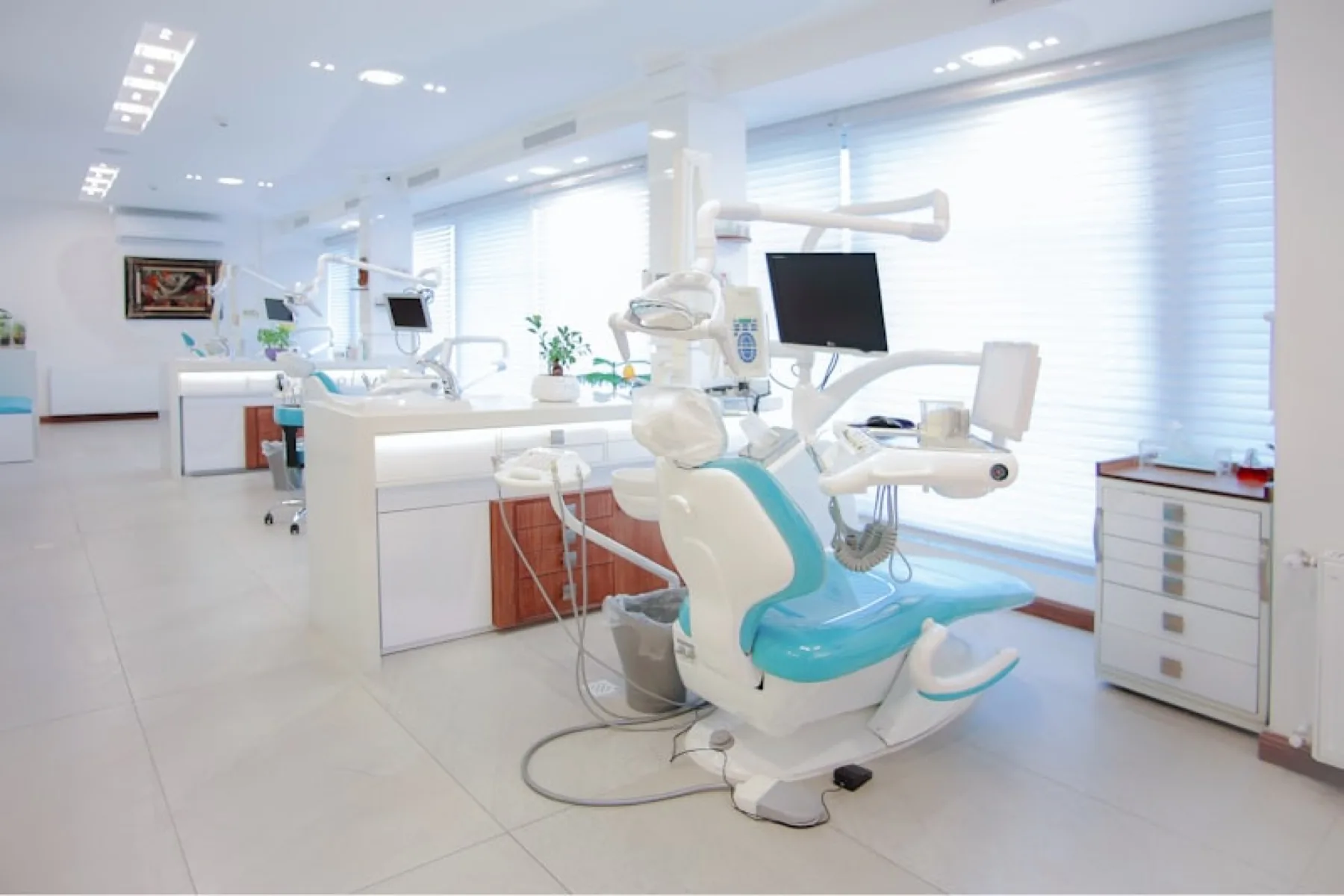
Typing smile dental clinic into a phone is usually the first step of a decision that ends with somebody sitting in a dental chair. The search returns a map, a few cards, ratings, photos of a bright operatory, and a call button — but almost nothing about the four things that actually decide whether the visit goes well: which treatments the clinic genuinely does, how it handles hygiene, whether prices are explained before treatment starts, and how the booking works when you turn up. This guide is a general checklist for comparing dental clinics on those four dimensions, written for patients in India and for the clinic operators who want to understand what patients are checking.
Key takeaways
- Ask which treatments are done in-house and which are referred out.
- Hygiene that is visible and routine is a better signal than interior design.
- Written estimates before treatment beat verbal price ranges after it.
- A booking flow that confirms a real slot says more than a promise to call back.
What a smile dental clinic search is really asking
Behind almost every dental search are four questions. Can they do the thing I need, here, today? Will it be clean? What will it cost? And how much of my day will it take? The search results page answers none of them directly, so patients substitute proxies: star rating, number of reviews, size of the clinic, quality of the photos, and whether the listing says appointments are available. Those proxies are reasonable, but they are proxies, and they reward clinics that present themselves well rather than necessarily clinics that work well. Every smile dental clinic query carries those same four questions underneath it, whether the searcher types them out or not.
The practical fix on both sides is to answer the four questions in public. A clinic that lists its treatments with durations and indicative ranges, shows its sterilisation routine, publishes an appointment flow, and answers reviews is giving patients what the search page cannot. A patient who shortlists three clinics and asks the same four questions of each will get a comparable answer set within one afternoon. That comparison, not the ranking, is what should decide the appointment.
Treatments and services to compare
Start with scope. Dental clinics differ far more in what they actually deliver than their homepages suggest. Build a simple two-column sheet for each shortlisted clinic: treatment name, done in-house or referred, roughly how many visits it needs, and whether it is covered by any insurance or corporate arrangement you hold.
- Preventive and routine — cleaning, polishing, fluoride applications, and routine check-ups. Most clinics do these; the differentiator is the recall system that reminds you when the next one is due.
- Restorative — fillings, crowns, root canal treatment, and extractions. Ask about the materials quoted and how many appointments each typically needs.
- Cosmetic and alignment — whitening, veneers, and aligner programmes. These are planned over weeks, so the clinic's scheduling discipline matters as much as the clinical work.
- Replacement — implants and dentures. Ask what the full sequence looks like, from first scan to final fitting, and how many visits it involves.
- Specialist and paediatric — oral surgery, orthodontics, and child dentistry. Clarify whether the specialist visits the same clinic or on fixed days only.
A clinic that does everything but publishes nothing about any of it is harder to compare than one that states clearly what it does and what it refers. Referral is not a weakness; unexplained referral at the last minute, after you have already taken leave, is.

Hygiene and infection control signals
Hygiene is the one dimension where visible routine beats presentation. A glossy waiting room tells you the clinic spends on interiors. Sealed instrument pouches opened in front of you, gloves and masks changed between patients, a clean and uncluttered treatment area, a clearly marked waste container, and surfaces wiped down while you watch tell you the clinic runs a process. The second visit is more informative than the first: standards that hold on a busy Saturday afternoon are standards, not a show for a new patient.
It is fair to ask how instruments are processed between patients and what the clinic's routine is for the chair, the light, and the suction. A competent front desk can answer that in a sentence without becoming defensive, because it is a normal operational question rather than a criticism. If nobody can answer it, treat that as information. For general context on how health facilities describe service standards publicly in India, the Ministry of Health and Family Welfare and the National Health Portal of India are sensible government references to browse.
One caveat worth stating plainly: this article is about evaluating and booking a clinic, not about medical advice. Any decision about a specific treatment belongs with a dentist who has examined you.
Pricing transparency before treatment
Price complaints about dental care are almost never about the level of the price. They are about surprise. The bill differs from the conversation, an optional step turns out to be compulsory, or the quoted figure covered one of three visits. Transparency is therefore a process question: does the clinic put numbers in writing before anything starts?
Ask for an estimate that names what is included, what is optional, what is taxed, and how long it stays valid. Patients comparing a smile dental clinic against two others should send the same pricing question to all three, in writing, before choosing. Ask what triggers a change — a different material, an extra visit, an additional procedure — and how you will be told during treatment if that happens. Ask whether the quote is per visit or for the whole sequence, since a three-visit root canal quoted as a single number and quoted per sitting feel very different at the counter.
Watch for the structural signals too. A clinic that will not state any range until you are in the chair has a pricing problem; one that publishes indicative ranges and then confirms a written estimate has a communication habit you can trust on other things as well. The same principle applies online: the guidance on how business information appears in Google Search and Maps explains why clinics publish services and fees on their listing — patients filter on it before they ever call.
Booking flow and waiting time
Booking is where a comparison becomes real, and it is the fastest of the four dimensions to test. It is also where a smile dental clinic comparison is usually won or lost, because a patient who cannot get a time will simply move to the next result. Tap the clinic's booking link on a phone. Do you see actual dates? Can you pick an exact slot and get a confirmation with a reference in under a minute, or do you land on a form, a PDF timetable, or a number that rings out during clinic hours? The second group is telling you, unintentionally, how your visit will be managed.
Waiting time deserves its own note because dental appointments behave differently from consultations. Procedures overrun; a filling that runs long pushes the whole morning. Some delay is normal and is not evidence of poor management. What separates a well-run clinic from a disorganised one is communication — a confirmed slot rather than a vague window, a visible queue or token display, a message when the clinic is running behind, and a way to reschedule without dialling repeatedly. Our guide to managing dental appointments covers the day-of mechanics, and the broader clinic booking system checklist applies the same discipline across appointment types.
Also check what happens after the visit. Is there a reminder for the next appointment, a recall for the annual cleaning, and a way to reach the clinic on WhatsApp for a quick question? Clinics that close the loop after the visit are usually the ones that had it open before the visit.
Reviews, credentials, and follow-up
Reviews are worth weighing next, and they are what most people open a smile dental clinic listing for in the first place. Read them for pattern rather than for score. Three recurring complaints about waiting, three about surprise billing, or three about a treatment plan that grew during the visit are worth more than the decimal point of the average. Look at whether the clinic replies, and how: a short, factual, non-defensive response suggests someone is actually reading. Never weigh a single angry review heavily on its own, and never weigh a handful of identical-looking five-star reviews heavily either.
Then confirm the boring details. The dentist's registration and qualifications, the clinic's address and timings, the phone number that is picked up, and whether the name on the signboard matches the name on the bill. Inconsistency across those is the same trust signal failure that hurts a clinic in local search — and it is the easiest thing in this whole checklist to fix.
Finally, weigh follow-up. A clinic that sends the estimate by message, confirms the appointment the day before, and calls afterwards about a planned next step is running on a system. That is the same organisational habit that produces clean instruments and honest bills. It is the closest thing to a single meta-criterion this guide can offer.
Conclusion: compare with confidence
Choosing between dental clinics does not require research deep enough to become a dentist. It requires four consistent questions asked of three clinics in the same week: what do you do in-house, what does your hygiene routine look like, what is the written estimate, and how exactly will I be booked and told if you are running late. Write the answers side by side and the better fit usually becomes obvious, because the clinic that communicates well on those four tends to communicate well everywhere else. That is the whole method behind any sensible smile dental clinic comparison — and it works whether you are a patient shortlisting clinics or an operator trying to see your own practice through a patient's eyes. If you want the booking half of that experience to run itself, look at queue management and appointment booking software from SWIQ, or book a free demo and we will walk through a dental clinic's front desk with you.
Practical next step: shortlist three dental clinics this week, ask each the same four questions in one message, and book with the one that answers all four without a phone tag marathon.
Related SWIQ pages: Queue management software India · Book a free demo · clinic booking system · appointment booking for clinics
Frequently asked questions
How do I compare two dental clinics quickly?
Compare them on four things in this order: which treatments they actually do in-house, what you can see about hygiene, whether prices are written down before treatment, and how fast and clear the booking confirmation is. The clinic that answers all four in one conversation is usually the easier one to deal with.
Why ask for a written estimate before dental treatment?
A written estimate shows what is included, what is optional, and what is taxed, so the bill at the counter matches what you agreed to. Ask for it in the currency you will pay in, ask how long the quote is valid, and ask what happens if an extra step is needed during the procedure.
What hygiene signs should a patient look for?
Look for sealed instrument pouches opened in front of you, gloves and masks changed between patients, a clean and uncluttered operatory, a documented waste bin, and a reception that can explain how surfaces are cleaned between appointments. Visible routine is a good sign; clutter is not.
Is a longer waiting time a bad sign at a dental clinic?
Not always. Dental procedures overrun more than consultations do, so a clinic running late is often simply busy. What matters is whether the delay is communicated, whether the queue is visible, and whether your slot was confirmed in advance instead of offered as a vague time.
How does SWIQ help a dental clinic run its bookings?
SWIQ gives a dental clinic provider-controlled slots, online booking, QR check-in, live tokens, reminders, and staff accounts, so patients who arrive from a search land in a confirmed slot and a visible queue rather than an unanswered phone.
See SWIQ in action
Explore provider-controlled availability, QR booking, live tokens, delay tracking, staff access, and enterprise dashboards.
Book a free demo