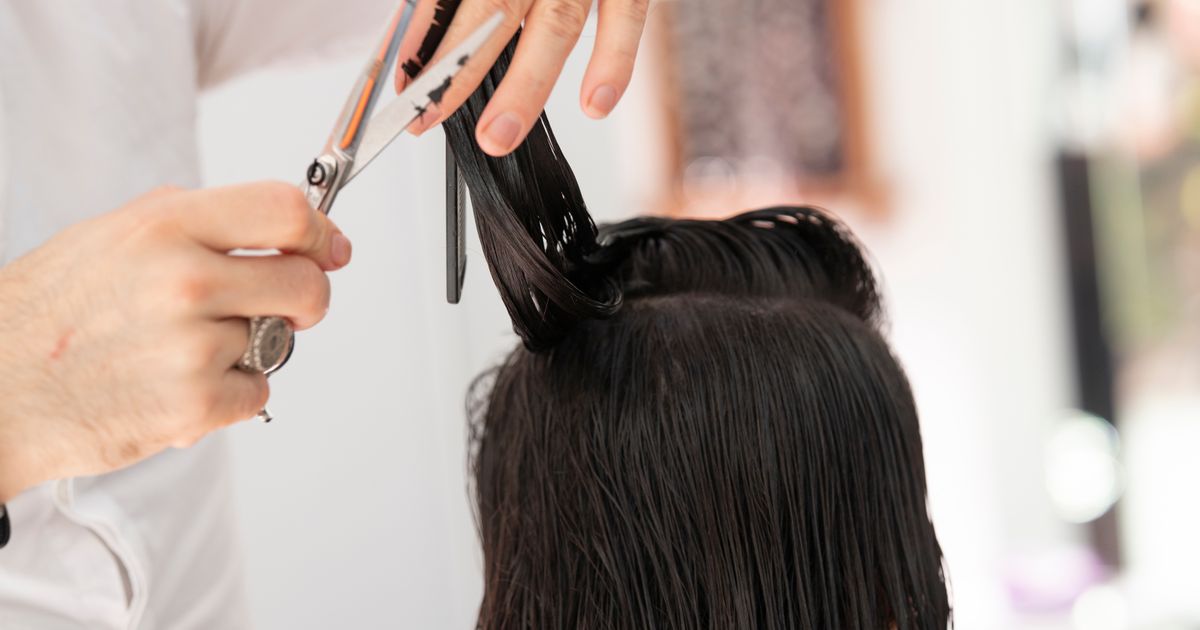
The hair shop down your street is rarely just a chair and a mirror any more. Customers expect a service menu, a retail shelf they can buy from, a stylist who can advise on both, and a way to reserve a time without calling during the busiest hour of the day. This comparison guide lays out what a good hair shop actually offers — the core services with honest durations, the products that support them, and the booking flow that ties them together — then gives you a five-point shortlist to score any shop before you commit. Owners will find the same five points turned into a publishing checklist at the end.
Key takeaways
- Services should be listed with duration and price, not just names.
- Retail earns trust when the shelf matches the advice given in the chair.
- Combined bookings need one longer slot instead of two overlapping ones.
- Score any shop on five published facts before you book.
What the hair shop means to a customer today
Ask ten people what they want from a hair appointment and the answers cluster around three things: someone who listens, a result they can repeat, and no wasted hour. The modern hair shop adds a fourth expectation — proof. Photographs of the floor, a menu with prices, real reviews, and a booking page that shows actual times. When any of those is missing, customers assume the worst and move to the next result.
The businesses that keep up treat these as one product rather than four separate chores. The service list informs the slot lengths, the slot lengths inform what the booking page can offer, and the retail shelf sits next to both because the product advice comes out of the same consultation. That integration is the difference between a shop that sells haircuts and a shop that keeps a client for years — and it is what most people mean when they say a place is a good hair shop.
Services a good hair shop should list with times
A complete menu is short, specific, and timed. Look for these groups:
- Cuts — men's cut, women's cut and layers, fringe trim, kids' cut, and a restyle for a big change. Each needs its own duration because a first restyle takes twice a quick trim.
- Colour — root touch-up, full colour, highlights or balayage, and grey blending. Root work is a shorter, cheaper slot than a full head of highlights.
- Styling — wash and blow-dry, occasion styling, straightening or curling. These are the add-ons clients book before an event.
- Care — spa or smoothening treatments, protein and damage repair, and scalp care. These occupy the longest chairs and should be priced accordingly.
- Add-ons — head massage, beard shaping, and a fringe trim between visits.
Notice what is not on the list: vague labels like "premium package" with no description. If a shop cannot say what happens in ninety minutes and what it costs, you cannot compare it with anything. Ask for the time as well as the price when you call — knowing a colour slot runs two hours changes whether you book the evening or the morning, and it tells you whether the hair shop has planned its chairs at all.

The retail shelf behind the service
The shelf is where a hair shop either proves its advice or contradicts it. If a stylist recommends a sulphate-free shampoo for colour-treated hair, the same bottle should be on the shelf with a price you can see. Shops that stock only the most expensive line, or stock nothing at all, force the customer to guess what to buy next — and guessing usually ends with a drugstore purchase and a weaker result.
A good retail section answers three questions: what was used on my hair today, what should I use at home, and how long will this last. Shampoo and conditioner sized for home use, a heat protectant if you blow-dry often, a weekly mask, and one styling product are enough for most clients. Batch and expiry dates should be visible, and a shop should be willing to say when a product is not right for your hair type. When the hair shop sells what it actually used in the chair, the shelf stops being a sales target and becomes part of the service. That honesty is what converts a one-time product sale into a standing order.
Booking cut, colour, and product pickup in one flow
Booking is where most shops still leak customers. The test is simple: can you reserve a specific stylist, a specific service, and a specific time in one pass, from a phone, without a phone call? If yes, check whether the page also handles the two things that make salon bookings messy — combined services and product pickup. A hair shop that passes all three has done the work behind the scenes.
A cut with a root touch-up needs a single extended slot, not two bookings that collide when the colour runs long. A colour service with a toner needs confirmation that the toner is included. And a client collecting a product they ordered should be able to take a short counter slot so they do not stand in the appointment queue. Shops that handle all three publish their availability themselves rather than letting a calendar auto-open months ahead. Our salon booking system walkthrough shows how service durations, buffers, and stylist assignment are set up, and how appointment booking for salons handles reminders and cancellations on top of that.
Staff and slot design for busy hours
Even a good offer falls apart if the shop books its whole week into Saturday evening. Watch how a shop designs its slots: whether long treatments are pushed into weekday afternoons, whether the senior stylist keeps a few peak slots, and whether walk-ins are held back a buffer from booked appointments. A shop that reserves the last thirty minutes of each hour for overrun protects both the next client and the stylist.
Multi-stylist shops face an extra constraint — juniors and seniors work at different speeds, and a colour service needs an assistant for mixing. A booking system that assigns slots per stylist instead of per shop prevents the classic failure where four appointments land in one hour on two chairs. When you compare two shops, ask how many chairs they run at 6 pm; the answer tells you whether the hair shop can genuinely honour the slots it publishes.
A five-point shortlist for comparing shops
Score any candidate against these five, in this order:
- Published prices and durations — visible without calling, including add-ons.
- Verified photographs — current images of the chairs, wash area, and shelf rather than stock photos.
- A working booking link — it opens to real times, not a message box. Google's guidance on booking-link policies explains what a listing's booking action should deliver.
- Product transparency — brands on the shelf, prices shown, no pressure to buy.
- A stated cancellation rule — how late you can move an appointment, and what a no-show costs the shop.
Five out of five is rare, but four out of five with a good review pattern is a reliable pick. Structured business details also help search engines present the shop correctly, which is the purpose of the schema.org LocalBusiness type for local businesses.
For owners: publish the offer before the visit
Turn the shortlist around and you have your marketing list. Put the full menu with durations on your site and profile, add photographs of your actual floor, show product prices on the shelf page, link a booking page that shows only the slots you can honour, and state your cancellation rule in the same voice everywhere. Consistency across your listing, your social profile, and your website is what makes a first-time visitor trust the details.
Then keep the promise: open availability only for hours you staff, hold buffers for long colour work, and confirm bookings with a message that names the service, the stylist, and the time. A hair shop that publishes all five points before the visit spends far less time on the phone, and the customer arrives already knowing what they booked. Small shops running this way see fewer empty chairs mid-week, because the customer who would have walked in on Saturday can now take the Tuesday afternoon slot you needed to fill.
Conclusion: the whole offer in one booking
What separates a forgettable salon from the hair shop people recommend is completeness: a timed service list, retail that backs the advice, staff planned against real capacity, and a booking flow that ties all three together. Use the five-point shortlist before you commit, and publish the same five points if you run the shop. When the offer, the shelf, and the slot all agree, a customer books once and comes back on schedule. See how a small shop puts that together with queue management and appointment booking software from SWIQ, or book a free demo and we will map your services, shelf, and chairs into one booking page.
Practical next step: take the five-point shortlist, score your own shop as if you were a first-time visitor, and fix the lowest-scoring point before the weekend rush.
Related SWIQ pages: Queue management software India · Book a free demo · hair shop guide · hair salon booking app
Frequently asked questions
What should a good hair shop list in its service menu?
List each service with its duration, price, and the person who performs it: cuts and trims, blow-dry and styling, colour and highlights, treatments, and extensions. Separate add-ons such as a wash or a fringe trim so the total is clear before the visit.
Can I book a haircut and a colour in the same visit?
Yes, if the booking page allows combined services with a longer slot. A cut and a full colour usually need ninety minutes or more, so the shop should show one extended slot instead of two back-to-back ones that overlap.
How do I compare two hair shops quickly?
Score both shops on five points: published price list, listed service durations, verified photos of the floor and shelf, a working booking link, and a clear cancellation rule. The shop that answers all five in public is usually the one that runs smoothly.
Does a hair shop need an online booking system?
It does if you want search and social traffic to turn into confirmed chairs. A booking page should publish only real availability, send confirmations and reminders, and take walk-in tokens in the same queue. SWIQ provides all of that with staff accounts and reports.
See SWIQ in action
Explore provider-controlled availability, QR booking, live tokens, delay tracking, staff access, and enterprise dashboards.
Book a free demo